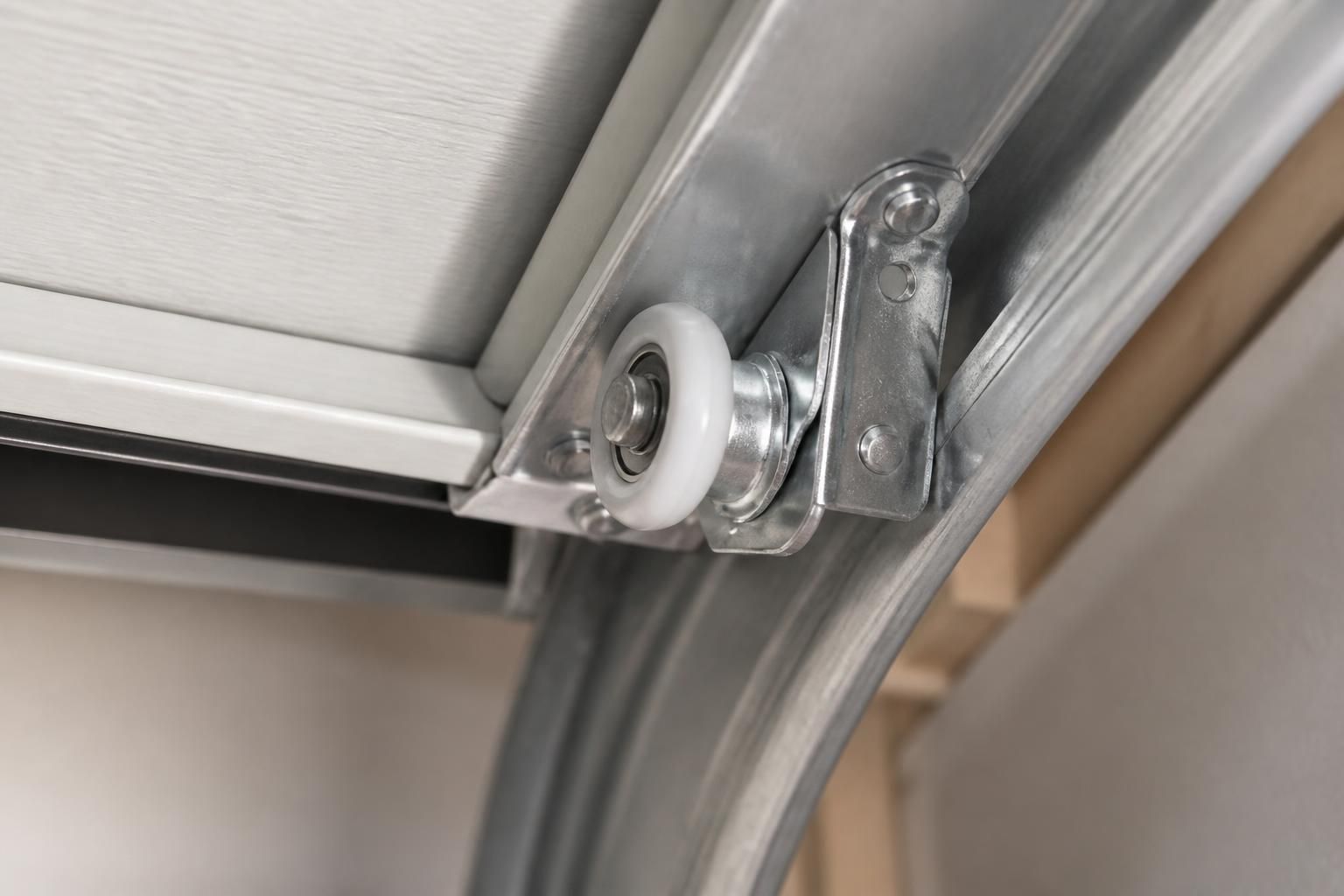
If your garage door shudders, squeals, or feels uneven as it opens, worn rollers may be the reason. A door that used to move quietly can start catching, dragging, or making sharp noises that get harder to ignore each day.
Ironwood Garage Door helps Sacramento, CA homeowners replace damaged rollers before small wear turns into bigger strain on the door system. We inspect the rollers, check the track and related parts, then install replacement rollers that help the door move with less noise and less resistance.
Rollers usually give you warning signs before they fail completely. Some problems show up only when the door starts, while others become obvious halfway through travel. If your door has changed how it sounds or moves, the rollers deserve a close look.
When these signs appear, roller replacement can often make a noticeable difference right away. It also helps reduce extra strain on the opener, track, and hinges.
Rollers work every time the garage door moves, so wear is normal. Over time, the wheel surface, stem, or bearing area can degrade from repeated use. Dirt buildup and a bent track can also make good rollers wear faster than they should.
A garage door cycles many times over the years. Even strong rollers eventually lose their smooth motion. When that happens, the door may still open, but it can become louder and less stable.
If the track is slightly misaligned or packed with debris, rollers do not travel evenly. That uneven movement adds friction and shortens roller life. In some cases, the rollers are only part of the problem, so we look at the track during the visit.
Dust, residue, and moisture can collect around the rollers and their moving parts. That buildup makes the wheels work harder and can leave the door sounding rough. A careful inspection helps us separate normal wear from parts that need replacement.
Ironwood Garage Door takes a straightforward approach to roller replacement. We start by observing how the door moves, then identify the rollers that are noisy, damaged, or no longer rolling smoothly. If needed, we also check the hinges, track alignment, and related hardware so the new rollers are not installed into a problem that will come right back.
We watch the door move and look for roller damage, track issues, and signs of extra stress on nearby parts.
Damaged rollers are taken out carefully so the door sections remain supported during the work.
We fit new rollers that match the door’s needs and restore smoother travel through the track.
After installation, we open and close the door to confirm the rollers are tracking cleanly and the noise has eased.
This process gives homeowners a clear answer about what changed, what was replaced, and what should be watched next.
Not every roller wears the same way, and not every door gives the same clues. Some rollers are more likely to become noisy, while others show visible damage first. During service, we help you understand the condition of the rollers already on your door and what replacement will do for the door’s movement.
When bearings inside the roller start to fail, the wheel may not turn freely. That can lead to a rough sound and a choppy ride through the track.
A cracked or flattened wheel can create a repeated bump every time the door moves. Replacing those rollers helps the door travel with fewer interruptions.
If the stem area binds or the roller does not sit right in the hinge, the door can feel uneven. Replacing the roller and checking the surrounding hardware can help restore more even motion.
Waiting too long can make the job more complicated. A damaged roller can put extra pressure on the track, hinges, and opener, which can turn a small repair into several repairs. Replacing rollers when the signs first appear can help limit that extra wear.
Homeowners also notice the day-to-day change. A quieter door is easier to live with, especially if the garage is used often. If your door has started to rattle, squeak, or shake, roller replacement may be the most direct fix.
Rollers rarely deserve to be looked at alone. During a replacement visit, we also pay attention to nearby parts that affect how the door travels. That way, the new rollers are supported by a door system that can move with less resistance.
Ironwood Garage Door uses those checks to recommend only what the door actually needs. If the rollers are the main issue, we keep the repair focused on that.
You do not need to take the door apart or make special preparations. A clear path to the garage door area and a short description of what you noticed is usually enough. If the sound happens only at certain points of travel, or if the door started acting differently after a specific change, that detail helps narrow things down faster.
It also helps to avoid forcing the door open or closed if it is binding. Letting the door move under strain can worsen the wear on the rollers and the track.
Noise, shaking, and uneven travel are common clues. A worn roller often creates a rough sound at the same point each time the door moves.
Yes. Sometimes the rollers are worn and the track or hinges also need attention. We look at the full movement pattern before recommending work.
Often, yes. Fresh rollers usually reduce scraping, grinding, and rattling that come from worn moving parts.
No. The roller location, how often the door moves, and the condition of nearby hardware all affect wear.
Yes. If the door becomes harder to move, the opener may have to work against extra resistance.
It is better not to wait that long. A damaged roller can stress other parts and make the door less stable.
If your garage door has started sounding rough or moving unevenly, Ironwood Garage Door can replace worn rollers and check the rest of the door’s travel path. We serve Sacramento, CA homeowners with focused repairs that are meant to restore smoother movement without adding confusion to the process.
Call +19165550105 or email hello@ironwoodgarage.example to schedule roller replacement. Our hours are Monday through Friday, 9:00 AM to 5:00 PM.
Get Started
Tell us what your garage door is doing, whether it is noisy, off track, slow to open, or ready for replacement. We will help you choose the right repair, replacement, or upgrade for your home.